


guttering-maintenance2103
guttering-maintenance2103
10 Myths Your Boss Is Spreading About Best Guttering Best Guttering
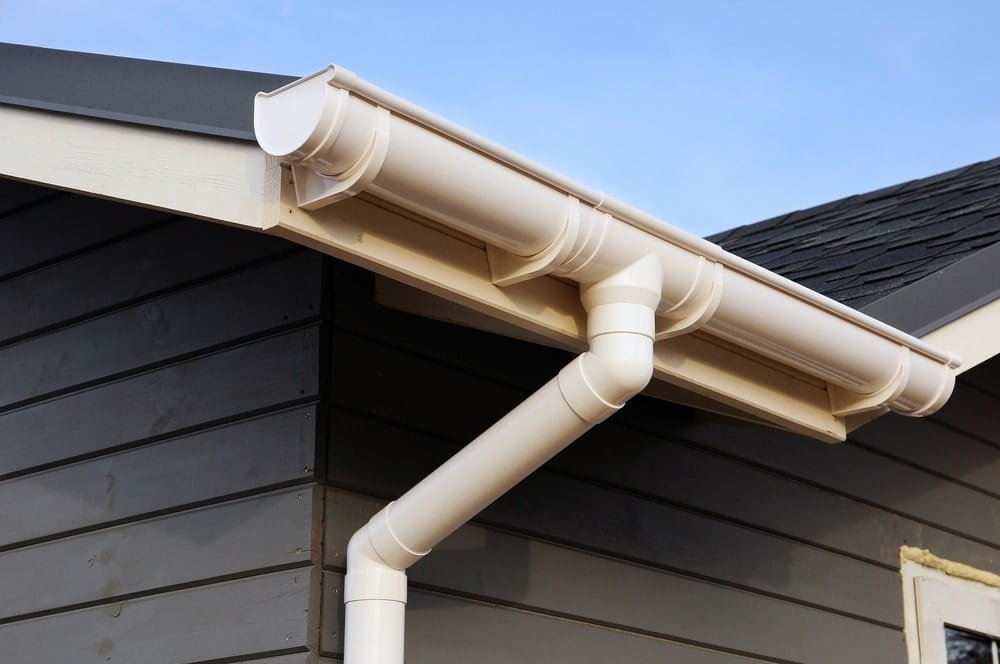
The Comprehensive Guide to Choosing the Best Guttering: Everything You Need to Know
Guttering plays a critical function in keeping the structural integrity of a home. By gathering and directing rainwater far from the roof and the structure of a building, reliable guttering systems secure homes from leakages, mold, and disintegration. With a range of guttering options readily available in the market, choosing the best guttering system can seem overwhelming. This post will provide an extensive guide on gutter types, materials, advantages of appropriate guttering, and FAQs to assist you make a notified decision.
Understanding Guttering Systems
Before diving into the different types of guttering readily available, it’s necessary to comprehend the fundamental components of a guttering system. Eventually, a guttering system consists of:
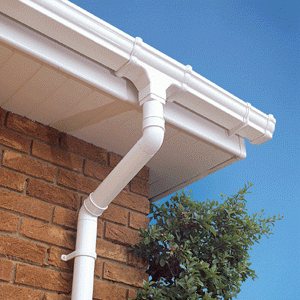
- Gutters: The channels that collect rainwater.
- Downspouts: Vertical pipelines that carry water from the gutters to the ground or drainage system.
- Wall mounts and brackets: Support systems that hold the gutters in location.
- End caps: Close off the ends of the gutters.
Types of Guttering
There are a number of kinds of gutter systems offered, each with its benefits and downsides. The most typical types include:
| Type of Gutter | Description | Pros | Cons |
|---|---|---|---|
| K-Style Gutters | Identified by a flat bottom and ornamental fronts. Available in various sizes. | High water capacity; flexible design. | Can bend if not appropriately supported. |
| Half-Round Gutters | Semi-circular shape that permits efficient water circulation. | Visual appeal; easy maintenance. | Less appropriate for heavy rains. |
| Fascia Gutters | Set up directly onto the fascia board. | Seamless appearance; simpler installation. | Restricted water capability. |
| Box Gutters | Rectangular shape, frequently concealed within the roof structure. | Exceptional for heavy-duty applications. | Higher installation expenses. |
Product Options
Choosing the right material for your gutters is as essential as picking the type. The most common materials include:
| Material | Description | Pros | Cons |
|---|---|---|---|
| Aluminum | Lightweight and corrosion-resistant. | Affordable; readily available in numerous colors. | Can be dented quickly. |
| Vinyl | Made from PVC, really lightweight. | No rust; simple installation. | Restricted color options; can become breakable in cold weather condition. |
| Copper | Resilient and attractive material. | Lasting; distinct look. | High expense; needs professional installation. |
| Steel | Strong and durable. | Resistant to damage; offered in various surfaces. | Heavy; susceptible to rust if not treated. |
Advantages of Proper Guttering
Choosing the suitable guttering system and preserving it can significantly improve the longevity of your residential or commercial property. Some benefits include:
- Water Damage Prevention: By effectively directing rainwater away, gutters assist prevent leakages and moisture concerns in walls and structures.
- Foundation Protection: Proper guttering lowers soil disintegration and keeps the structure of your house stable.
- Bug Control: Effective drainage prevents standing water, which can bring in insects such as mosquitoes.
- Enhanced Curb Appeal: Well-maintained gutters improve the overall aesthetic appeals of a home.
Maintenance Tips for Guttering
To guarantee your gutter system runs at peak performance, regular maintenance is necessary. Here are some maintenance suggestions:
- Clean Gutters Regularly: Remove leaves and particles at least twice a year to avoid obstructions.
- Examine for Damage: Check for signs of wear and tear, rust, or leaks, and resolve any issues without delay.
- Ensure Proper Slope: Gutters must be angled properly towards downspouts to facilitate the flow of water.
- Check Downspouts: Ensure that downspouts aren’t obstructed and can successfully drain pipes water far from the structure.
FAQs About Guttering
1. How do I understand what kind of guttering is best for my home?
The very best kind of guttering for your home depends on factors such as your local climate, the size of your property, aesthetic preferences, and spending plan. Consulting with a professional can assist limit your choices.
2. How typically should I clean my gutters?
It is typically suggested to clean your gutters at least two times a year. However, if you live in a heavily woody location, you might require to clean them more often.
3. What are the signs that my gutters require to be replaced?
Search for the following indications:
- Cracks or splits in the gutters.
- Rust or deterioration.
- Peeling paint on the outside of the home.
- Water damage or mold around the structure.
4. Can I install gutters myself?
While DIY installation is possible, it requires the right tools and understanding about the system. For homeowners with limited experience, hiring a professional is often advisable.
5. How long do gutters normally last?
The lifespan of gutters varies by product. Aluminum gutters can last 20 years, while copper systems can last over 50 years with correct maintenance.
Selecting the best guttering system for your home is necessary in safeguarding your residential or commercial property from water damage. Understanding the various types, products, and the value of maintenance can substantially impact your choice. Whether you choose the aesthetic appeal of copper gutters or the cost-effectiveness of aluminum, there’s an option for each requirement. Prioritizing guttering can boost both functionality and curb appeal, protecting the longevity of your home.