


cheapest-fan-oven1805
cheapest-fan-oven1805
Ten Single Fan Ovens That Really Change Your Life
Understanding Single Fan Ovens: A Comprehensive Guide
Intro
As modern kitchens grow significantly sophisticated, home appliances created for effectiveness and efficiency are at the forefront of consumer interest. One such home appliance that remains popular amongst home cooks and baking lovers is the single fan oven, an electric design understood for its flexibility and ease of usage. This short article offers thorough info about single fan ovens, including their performance, benefits, types, and factors to consider for purchase.
What is a Single Fan Oven?
A single fan oven, likewise called a stove, features a single cooking chamber with a fan and exhaust system that flows hot air evenly throughout the cooking space. This leads to an even cooking temperature and enhanced cooking performance compared to standard fixed ovens.
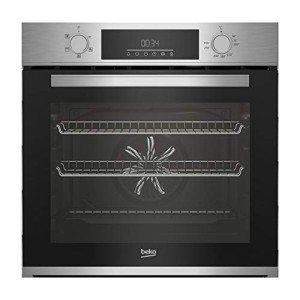
Key Components of a Single Fan Oven
- Heating Elements: Usually located on top and bottom, these create heat for cooking.
- Fan: The main function that circulates the hot air within the oven, promoting faster and more even cooking.
- Thermostat: Regulates the temperature to make sure ideal cooking conditions.
- Control Panel: Provides user interface alternatives for setting temperatures, cooking times, and modes.
How Does a Single Fan Oven Work?
Single fan ovens run by integrating the heat from the heating aspects with the air motion created by the fan. The hot air is distributed evenly around the food, significantly reducing cooking time while also permitting lower cooking temperature levels.
Advantages of Using a Single Fan Oven
- Faster Cooking Times: The flowing air enables food to cook faster compared to conventional ovens.
- Even Cooking: Food is exposed to constant heat from all sides, lowering the possibilities of uneven cooking or hot areas.
- Adaptability: These ovens can be used for baking, roasting, and even grilling, making them ideal for a broad range of recipes.
- Energy Efficiency: By cooking at lower temperatures and in less time, these ovens might utilize less energy than their standard counterparts.
- Moisture Retention: The style helps keep moisture in dishes, resulting in juicy roasts and baked products with a light texture.
Kinds Of Single Fan Ovens
When considering a single fan oven, consumers may experience various types based on features and design. Here are a few common types:
1. Built-in Single Fan Ovens
- Description: Integrated into kitchen cabinets for a seamless look.
- Pros: Saves counter area, visually pleasing.
- Cons: Higher installation expenses, might require professional aid.
2. Freestanding Single Fan Ovens
- Description: Standalone units that can be positioned anywhere in the kitchen.
- Pros: Easy to install, versatile placement.
- Cons: Can take up more space, may not mix well with cabinetry.
3. Range Cookers with Fan Ovens
- Description: Multiple cooking choices, including a fan oven, integrated in one system.
- Pros: Offers various cooking approaches, ideal for enthusiastic cooks.
- Cons: Generally more pricey, larger footprint.
Contrast Table of Single Fan Oven Types
| Type | Pros | Cons |
|---|---|---|
| Built-in | Space-saving, visually pleasing | Higher expenses, professional installation needed |
| Freestanding | Flexible placement | Takes up more area, may not match cabinetry |
| Range Cooker | Multiple cooking methods | Higher price, larger size |
Selecting the Right Single Fan Oven
When picking a single fan oven, numerous elements need to be thought about to ensure that it fulfills individual cooking needs and fits within your kitchen design.
Aspects to Consider
- Size and Capacity: The size ought to complement your kitchen layout while providing adequate capacity for your cooking habits.
- Features and Functions: Look for adjustable racks, self-cleaning options, and several cooking modes to enhance versatility.
- Energy Efficiency: Check for energy scores; some designs are designed to be especially energy-efficient.
- Budget: Costs can vary considerably, making it important to develop a realistic spending plan in advance.
Maintenance Tips for Single Fan Ovens
- Routine Cleaning: Wipe down interior surface areas after usage to prevent residue accumulation.
- Examine the Fan: Ensure the fan is free from obstructions and working correctly.
- Examine Seals: Regularly inspect the door seals for wear and tear to keep cooking performance.
- Professional Servicing: Schedule routine expert checks to guarantee ideal operation.
Frequently Asked Questions about Single Fan Ovens
1. Can I utilize my single fan oven for baking?
Definitely! Single fan ovens are excellent for baking, offering consistent temperature levels vital for cakes, cookies, and breads.
2. Is it required to preheat a single fan oven?
While pre-heating is generally advised for optimal results, due to the effectiveness of a fan oven, some dishes might not require it.
3. Can I prepare several meals at the same time?
Yes! The even heat circulation in single fan ovens enables you to bake or roast several meals simultaneously, using all rack levels successfully.
4. Does a single fan oven cook faster than a conventional oven?
Yes, the fan-assisted heating reduces cooking times, making it possible for quicker food preparation.
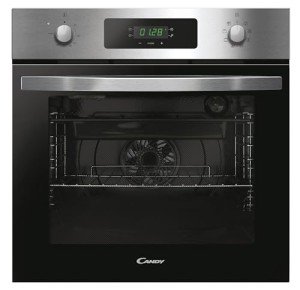
Single fan ovens provide an exceptional balance of speed, versatility, and efficiency, making them a valuable addition to any kitchen. Whether for baking, roasting, or everyday cooking, these ovens ensure that home cooks can produce delicious meals with ease. By understanding the advantages, types, and factors to consider for buying a single fan oven, consumers can make an educated decision that aligns with their culinary desires and kitchen dynamics.
Accepting the performances of a single fan oven undoubtedly paves the method for enhanced cooking experiences in the modern-day kitchen.